
TIPS ON HOW TO BE A RESPONSIBLE SLOTH TOURIST
Updated: Jan 12
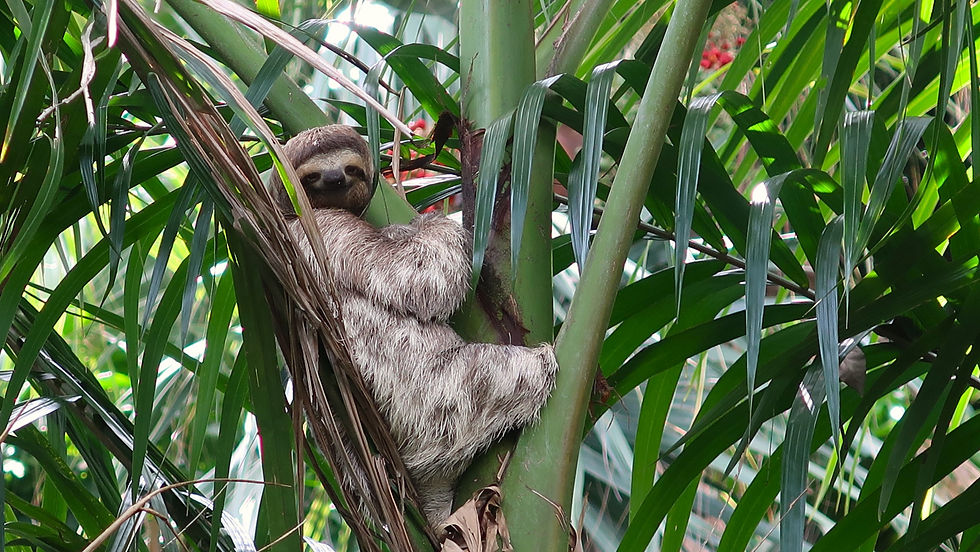
Sloths are peaceful, tree-dwelling icons of Costa Rica, and spotting one in the wild is a dream for many of us. But as tourism grows, so does our responsibility to ensure these gentle animals are protected, not exploited.
At The Sloth Institute, an issue we’re deeply passionate about is putting an end to ‘sloth selfie’ tourism. Most of the online evidence, photos and videos of sloths being held, hugged and petted, comes from countries more commonly associated with wildlife trafficking. But the uncomfortable truth is that these kinds of wildlife crimes do happen in Costa Rica too. They may be better disguised, but exploitation is still exploitation. And sloths, being slow and docile, are some of the easiest animals to abuse for tourism.
Here’s how you can enjoy seeing sloths while ensuring your actions help protect them and their habitat:
Say NO to Sloth Selfies
Holding or touching sloths is harmful. It causes stress and weakens their immune systems. If an organisation or tour allows contact, it’s not ethical.
Think Before You Post
Avoid sharing photos of people holding sloths, even if you didn’t take them. Promote ethical tourism by sharing wildlife-friendly images and information.
Watch Quietly, From Afar
Sloths are sensitive to noise, movement, and even strong smells. Stay quiet, use a zoom lens, avoid flash, and never smoke or wear strong bug sprays around them. Stick to marked trails and respect their space.
Be a Voice for Ethical Wildlife Tourism
If you see sloths being mishandled or used for photos, speak up! Report it to local authorities or us at The Sloth Institute. Share responsible travel practices with others and help shift the culture away from exploitation.
Sloths aren’t here for entertainment. They’re wild animals who deserve our respect, and protection. By being a responsible tourist, you’re helping ensure a future where sloths stay wild and thriving!
Los osos perezosos son íconos de paz, que habitan en los árboles de Costa Rica, y avistar uno en su hábitat natural es un sueño para muchos. Pero a medida que crece el turismo, también crece nuestra responsabilidad de garantizar que estos dóciles animales sean protegidos, no explotados.
En The Sloth Institute, un tema que nos apasiona profundamente es poner fin al turismo de "selfies con perezosos". La mayoría de la evidencia en línea, fotos y videos de osos perezosos siendo abrazados y acariciados, proviene de países comúnmente asociados con el tráfico de vida silvestre. Pero la incómoda realidad es que este tipo de delitos contra la vida silvestre también ocurren en Costa Rica. Puede que estén mejor disimulados, pero la explotación sigue siendo explotación. Y los osos perezosos, al ser lentos y dóciles, son algunos de los animales más fáciles de maltratar para el turismo.
Así es como puedes disfrutar viendo osos perezosos y asegurarte de que tus acciones ayuden a protegerlos y su hábitat:
Un “NO” a las selfies con osos perezosos
Sostener o tocar a los perezosos es perjudicial. Les causa estrés y debilita su sistema inmunológico. Si una organización o tour permite el contacto con la fauna, no es una conducta etica.
Piensa antes de publicar
Evita compartir fotos de personas sosteniendo osos perezosos, incluso las fotos tomadas por otra persona. Promueve el turismo ético compartiendo imágenes e información respetuosas con la vida silvestre.
Observa en silencio, desde lejos
Los perezosos son sensibles al ruido, al movimiento e incluso a los olores fuertes. Mantén el silencio, usa un zoom, evita el flash y nunca fumes ni uses repelentes de insectos fuertes cerca de ellos. Mantente en los senderos señalizados y respeta su espacio.
Sé una voz para el turismo ético de vida silvestre
Si ves que se maltrata o se usan osos perezosos para sacar fotos, ¡denuncia! Repórtalo a las autoridades locales o a The Sloth Institute. Comparte prácticas de viaje responsables con otros y ayuda a cambiar la cultura de la explotación.
Los osos perezosos no están aquí para entretener. Son animales salvajes que merecen nuestro respeto y protección. Al ser un turista responsable, estás ayudando a garantizar un futuro donde los osos perezosos se mantengan salvajes y persistan.


Comments