
WHY THE MULE? / ¿PORQUE LA MULA?
Español Abajo

First, let’s ask: “ What is a mule?” Mules are hybrid animals—the offspring of a male donkey (jack) and a female horse (mare). They’ve been valued for thousands of years for their strength, intelligence, and sure-footedness.
Mules are very intelligent and problem-solving oriented. This is why they sometimes get labeled “stubborn”—but it’s usually an expression of self-preservation, not defiance. If a mule refuses to do something, it’s often because it senses danger or discomfort.
Mules inherit the horse’s size and power with the donkey’s stamina and resilience. Famously careful on rough terrain, they are excellent pack and trail animals especially suited to traveling in mountains, a tremendously valuable quality for life in Costa Rica. Additionally, mules tolerate heat well, need less feed than horses of similar size, and are less prone to some common equine illnesses. And they often live longer and stay sounder into old age compared to horses. Traditionally, mules have been used extensively for plowing, hauling, and general farm work.
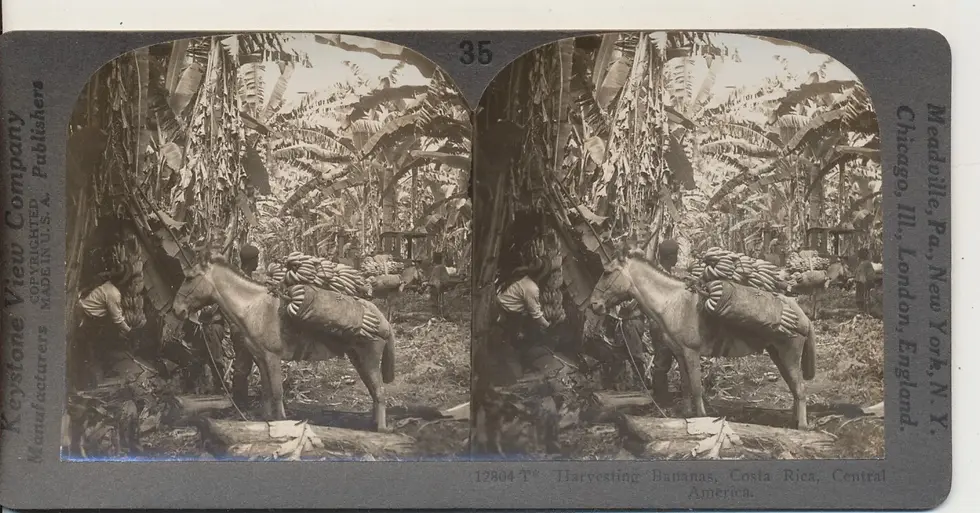
Mules often have long donkey ears, horse-like bodies, and tough hooves that usually need less shoeing. A well-trained mule can outperform both horses and donkeys in harsh conditions. Interestingly, they can be more bonded to humans than horses once trust is earned. No wonder they are celebrated each year in the National Mule Festival of Parrita.
Because they have an uneven number of chromosomes, most mules are male can’t reproduce. In extremely rare cases of fertile female mules exist, but they’re statistical anomalies.

¿POR QUÉ LA MULA?
Primero, preguntemos: ¿qué es una mula? Las mulas son animales híbridos: crías de un burro macho y una yegua. Han sido valoradas durante miles de años por su fuerza, inteligencia y firmeza.
Las mulas son muy inteligentes y están orientadas a la resolución de problemas. Por eso a veces se las etiqueta como “tercas”, pero generalmente es una expresión del instinto de supervivencia, no de desafío. Si una mula se niega a hacer algo, a menudo es porque percibe un peligro o incomodidad.

Las mulas heredan el tamaño y la fuerza del caballo con la resistencia y resiliencia del burro. Famosas por su cuidado en terrenos difíciles, son excelentes animales de carga y de sendero, especialmente aptas para viajar en las montañas, una cualidad sumamente valiosa para la vida en Costa Rica. Además, las mulas toleran bien el calor, necesitan menos alimento que los caballos de similar tamaño y son menos propensas a algunas enfermedades equinas comunes. Y suelen vivir más y mantenerse más sanas hasta la vejez en comparación con los caballos. Tradicionalmente, las mulas se han utilizado ampliamente para arar, transportar y realizar labores agrícolas en general.
Las mulas suelen tener orejas largas de burro, cuerpos similares a los de los caballos y cascos resistentes que suelen requerir menos herraduras. Una mula bien entrenada puede superar tanto a caballos como a burros en condiciones adversas. Curiosamente, pueden establecer un vínculo más fuerte con los humanos que con los caballos cuando se ganan su confianza. No es de extrañar que se las celebre cada año en el Festival Nacional de las Mulas de Parrita.
Debido a su número impar de cromosomas, la mayoría de las mulas macho no pueden reproducirse. En casos extremadamente raros, existen mulas hembras fértiles, pero son anomalías estadísticas.


Comments